


The hidden costs of gambling Understanding the impact on society with Pinco casino
The financial impact of gambling
Gambling can seem like a straightforward way to make quick money, but the reality is often starkly different. Many individuals find themselves losing more than they anticipated, leading to financial instability. This instability can ripple through families and communities, causing strain on relationships and increasing poverty levels. The lure of easy winnings can create a cycle of debt that is hard to break, especially for vulnerable populations. Players eager for excitement often turn to 3d slots to enhance their experience.
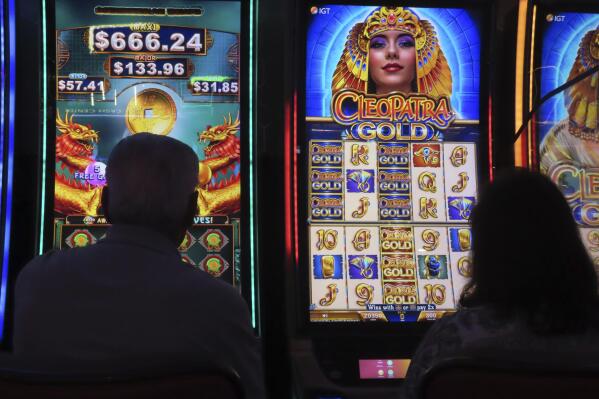
Moreover, the costs associated with gambling extend beyond personal finances. Local economies may suffer when gambling leads to increased demand for social services, such as counseling and addiction treatment programs. This hidden expense often becomes a burden for taxpayers as municipalities allocate resources to combat the fallout from gambling-related issues.
The psychological consequences of gambling
The psychological impact of gambling addiction is profound and often overlooked. Many individuals engage in gambling as a form of escapism, only to find that it exacerbates mental health issues such as anxiety and depression. The stress of financial loss can lead to a vicious cycle of further gambling in an attempt to recover lost funds, creating an unhealthy mindset. In fact, understanding The Best 3D Slots for 2026 in Canada might help players make more informed choices.
Additionally, the thrill of gambling can become addictive in itself. The rush of winning can be intoxicating, often leading individuals to disregard the potential dangers. This psychological aspect is crucial to understanding why many people fall into problematic gambling patterns, despite knowing the risks involved.
The societal repercussions of gambling
The broader societal implications of gambling are significant. Communities may experience increased crime rates as individuals turn to illegal activities to fund their gambling habits. This can lead to a breakdown of community trust and safety, making neighborhoods feel less secure. Furthermore, gambling can strain public resources, as law enforcement and social services grapple with the consequences of gambling-related crimes and addiction.
Furthermore, the normalization of gambling in society—exemplified by casinos and online platforms—can undermine the values of responsible decision-making. This shift can influence younger generations, who may see gambling as a viable way to achieve financial success. The long-term effects of this perception can alter societal attitudes toward risk and financial responsibility.
The role of regulation and support systems
Effective regulation is essential in mitigating the hidden costs of gambling. Governments and regulatory bodies can play a crucial role in ensuring that gambling operators, such as Pinco Casino, promote responsible gambling practices. This includes providing resources for addiction prevention and support services for those affected by gambling-related issues.
Additionally, awareness campaigns are vital for educating the public about the risks associated with gambling. By fostering a culture of responsibility, society can work towards minimizing the negative impact of gambling. Support systems should also be in place, offering help to those struggling with addiction and ensuring that they have access to the resources they need to recover.

Pinco Casino’s approach to responsible gaming
Pinco Casino recognizes the importance of promoting responsible gambling practices among its players. The platform offers various tools to help users manage their gaming habits, including deposit limits and self-exclusion options. By prioritizing player well-being, Pinco Casino aims to create a safe and enjoyable gaming environment.
Moreover, Pinco Casino is committed to raising awareness about the potential risks of gambling. Through educational resources and community outreach, the platform seeks to empower players to make informed decisions. This proactive approach not only enhances the gaming experience but also contributes to reducing the hidden costs associated with gambling on a societal level.

